
Thoughts from a Chinese-American Therapist
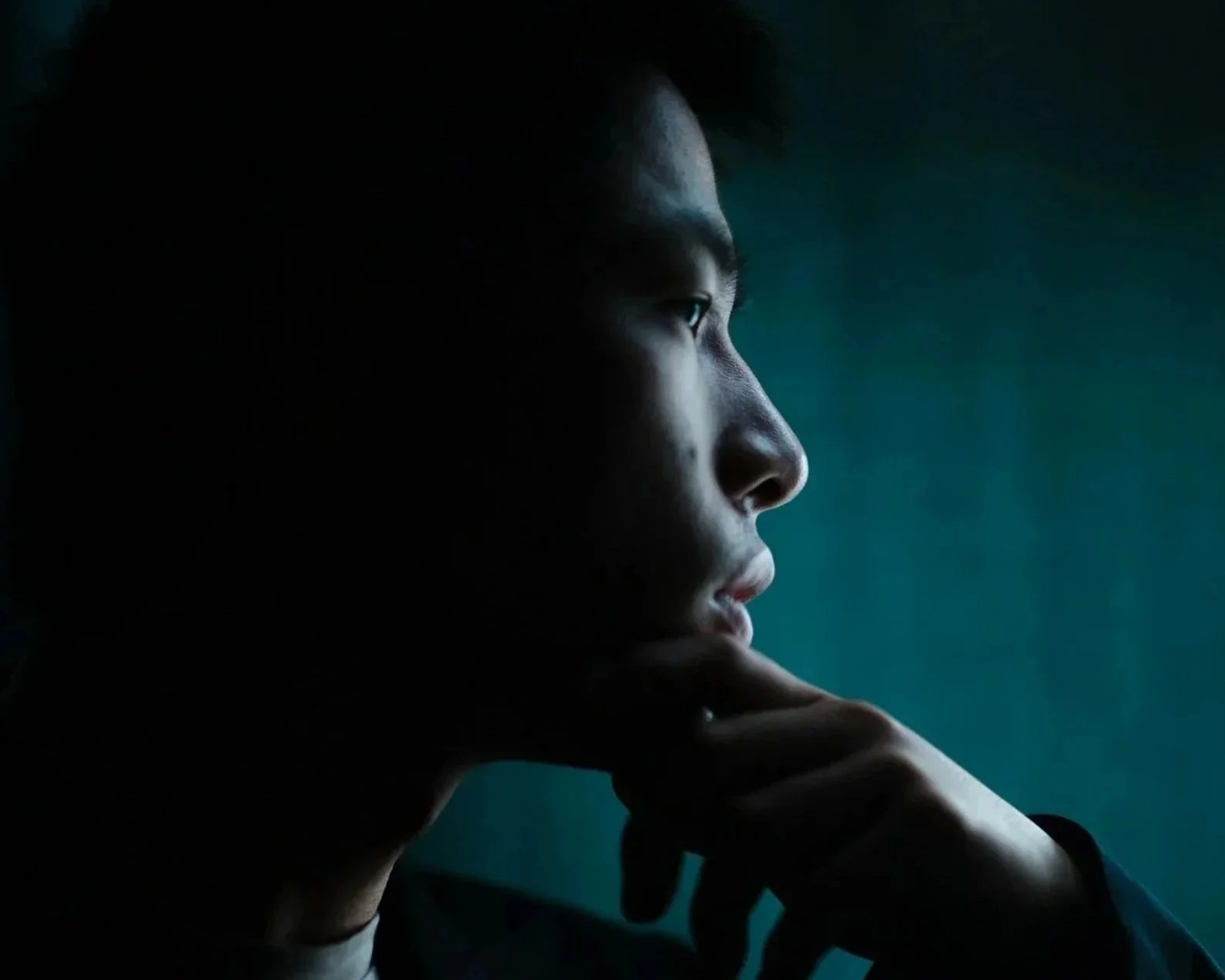
There are many misleading ideas about therapy and how it functions as a source of emotional support and stability in everyday life. Common myths and misconceptions of therapy and therapists mostly come from lack of knowledge and understanding, which can deter those who want to begin therapy from taking that first step. Cultural influences should also be thought about when considering why therapy is considered a bad or taboo topic.
As we approach Asian American Pacific Islander (AAPI) heritage month in May, it is important to recognize there are many stereotypes about being in therapy. Because of that, many individuals in the Asian American community who have considered seeking mental health services have stepped away from doing so.
Many of these views stem from an underlying fear that seeking therapy automatically means that you are “crazy,” and that those around you would not just view you as bad, but also your family because of the emphasis that many AAPI cultures place on this value. The idea of finding external support might also contradict the value system of interdependence, which stresses the idea that family and community are at the forefront of meeting one’s needs. It is also important then to recognize the need for the AAPI community to understand the resources and benefits of having mental health support.
AAPI Mental Health Statistics
With the emphasis on AAPI communities in this writing, it will be helpful to recognize some of the important statistics, including mental health, for the Asian American population in the US:
The Asian American population has seen an increase by 72% between 2000 and 2015.
As of 2019, about 6% of the U.S. population identify as AAPI at over 19 million people.
In 2019, nearly 15% of the AAPI population reported mental health concerns; reported as close to 2.9 million people.
Between 2008 to 2018, mental health concerns have seen an increase from 2.9% (47,000) to 5.6% (136,000) in AAPI youth.
Depression has increased by 3.6% in AAPI adolescents, nearly 2% in young adults, and nearly 2% in adults.
According to Mental Health America, 8.1% of young adult AAPIs have had serious suicidal thoughts, 2.2% having a plan, and 1.8% acting on a plan in 2018.
Substance abuse has also become more frequent in AAPI adults with mental health issues.
In this article, we will address some of the crucial preconceptions from the Asian community to understand the stigma surrounding mental health needs. Because for many in this community, feelings of doubt, uncertainty, and unsureness are commonplace when thinking about seeking help.
I will focus specifically from a Chinese American perspective in this writing. As a member of the Chinese American community myself, I believe it is important to understand the misconceptions and beliefs about mental health and recognize the types of support available.
Common Themes and Beliefs
While many thoughts from the AAPI community might focus on mental health issues being a Western concept, it is important to acknowledge that just like physical ailments, mental health affects everyone. Depression, for example, may appear different and be experienced differently from culture to culture, but impacts us nonetheless. Many AAPIs might justify beliefs that are untrue and walk away from the importance of taking care of the mind. Here are some of the walls that can lead to not seeking therapy for many AAPI people:
Burdensome to Share Personal Feelings
Emotional vulnerability can often be viewed as a weakness or as complaining; making little effort to resolve our own problems. In many AAPI dynamics, children may be taught to control, diminish, or hide their emotions. A strong expectation here is to keep moving forward and disregard the feelings we have such as sadness or anxiety, to not be a burden towards the family household or others.
Although being emotionally vulnerable can validly be difficult at times, learning insight and receiving help from a mental health professional can be a strong source of support, insight, and validation for what you go through in life. While self-reliance is preferred, some research has also indicated that this method can result in stronger deterioration of one’s mental health without proper support.
The “Power Through It” Philosophy
A common theme in Chinese culture is that if things get difficult, we “tough it out” and power through the struggle. Not unlike sweeping things under the rug, but eventually the rug will give out and we fall. Often, expressing ourselves vulnerably to an outsider like a therapist can be seen as a sign of weakness.
With this point in mind, many Chinese people place it on themselves to keep strong and push away the option of seeking professional help from third parties. However, being able to have a guided and unbiased perspective to process experiences can help to understand why you might, for example, place a heavy importance on getting through things on your own. Likewise, insight can also be gained on the impact that this mindset has on you.
The “Model Minority” Myth
This idea strongly enforces the idea that Chinese Americans, and all AAPIs, are integrated into Western culture as intelligent, successful, and have overcome most racial biases. This stereotype then places a strong expectation towards AAPIs to act a specific way, having perceivably integrated into a part of Western culture. This misconception can also encourage a tendency to shy away from their historical backgrounds, deny the possibility of not being okay and acknowledge personal struggle.
The overwhelming violence targeted at many Chinese communities that have intensified in recent years suggest this myth as false; that AAPI communities continue to face struggles that would reinforce the need for emotional support and the need for a safe, therapeutic space. Even though violence is still experienced, many in the Chinese community would also still experience fear and shame of seeking professional help to keep with the idea that they are “okay.”
Saving Face
Face, or “miàn zi” (面子), is an important concept to understand. This issue can speak on many cultural and familial dynamics in Chinese communities that run deeply in many parts of the culture. Saving face ultimately means to not put yourself in a position of embarrassment or shame. It focuses on how we are subjectively perceived by others. That if someone were to discover that someone in their community were seeing a therapist, or seeking outside help for example, they can be perceived as weak and placing shame on their family for not being able to resolve the issue privately. So not only is the theme of saving face about the individual, but it also involves family, honor, and social standing.
Lack of Proper Resources and Understanding
Lastly, many in Chinese culture have high expectations of those who are in the helping profession such as doctors and therapists. For those that decide to seek mental health support, a quick fix and looking towards the therapist to know the solution to every problem within one meeting is also part of that high expectation; along with the issue of insurance and financial concerns. It is then important to recognize the strongly different cultural standards and differences for those who are seeking counseling and therapy.
It can also be difficult for Chinese people to find a therapist who speaks the same language that they do. While Chinese itself is the name of the language, there are many different dialects in this umbrella that would make it difficult for someone to find a therapist who speaks their common dialect. Such that while some dialects might be mutually intelligible, others are not. It can be more comforting for Chinese Americans, for example, who speak Cantonese or Taishanese, respectively, to find a therapist who also understands that respective dialect as a way of finding mutual ground for community and connection.
Final Thoughts
In raising awareness for why mental health support is important, breaking through the barriers that prevent the Chinese American community from fully being able to utilize available resources is also an important issue to discuss. While there are many Chinese identifying therapists and members of the Chinese community that understand the need for mental health services and are willing to reach out, negative stigmas can still impact the capacity to seek help. As we approach AAPI Heritage Month, my hope is that the AAPI community continues to bring awareness to mental health needs and the positive support it can bring.